
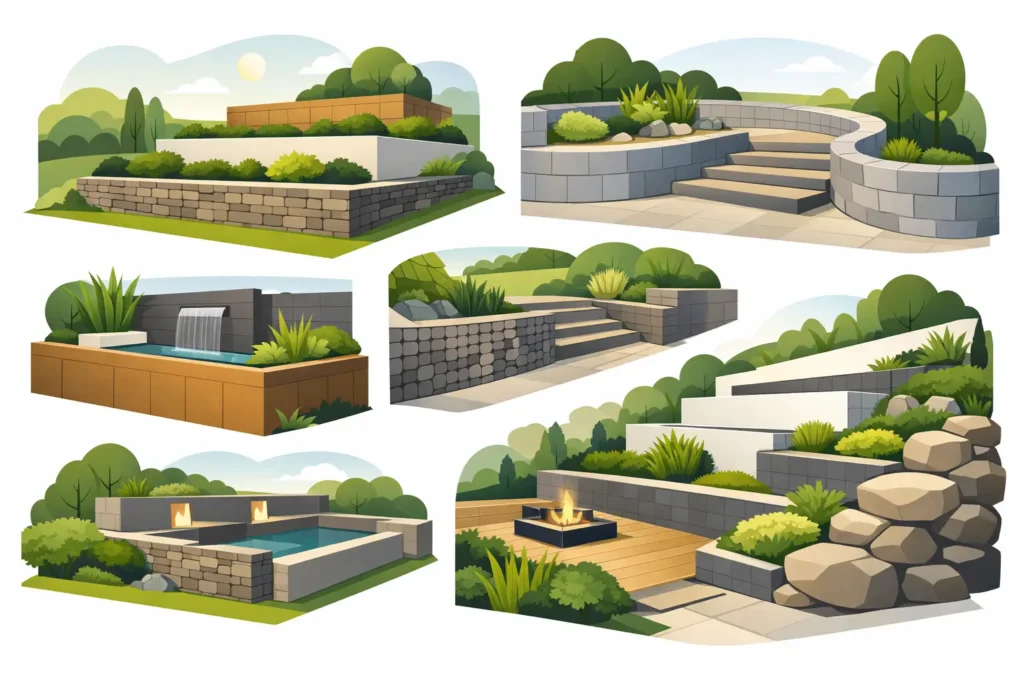
A plain grey retaining wall can make a tidy landscape feel unfinished. Get the finish right, though, and that same wall can become a clean architectural feature that ties the garden, driveway or front boundary together. That is why homeowners and builders often start looking for rendering retaining walls ideas once the structure is in place. The right render does more than improve appearance - it helps protect the wall surface, creates a more consistent finish and gives you better control over the final look.
Retaining walls are not all the same, and neither are render finishes. The best result depends on the wall material, drainage, exposure to weather, and the style of the property around it. A wall beside a modern new build calls for a different finish than one in an older brick home renovation. Good rendering work accounts for all of that before the first coat goes on.
Rendering retaining walls ideas that work in practice
The most effective ideas are usually the ones that balance appearance with durability. A retaining wall sits in a hard-working part of the property. It deals with soil pressure, moisture, splashback, heat and day-to-day wear, so the finish needs to look good without becoming a maintenance problem.
1. Smooth acrylic render for a modern finish
If you want a clean, contemporary result, a smooth acrylic render is often the first option worth considering. It suits newer homes, sharp landscape lines and minimalist garden designs. Acrylic systems also offer flexibility, which can help where minor movement is a concern.
The trade-off is that very smooth finishes can show imperfections more easily. Surface preparation matters, and so does the quality of the substrate underneath. On a long retaining wall, a smooth finish looks excellent when the base is straight and well detailed. If the wall has visible irregularities, a light texture may be the better choice.
2. Textured render to hide minor surface variation
Textured finishes are one of the most practical rendering retaining walls ideas for older walls or larger spans where you want a durable, forgiving surface. A sponge, float or bagged texture can soften visual defects and add depth without looking heavy.
This approach works well on boundary walls, stepped retaining walls and garden walls where a little texture feels more natural in the landscape. It is also useful when the goal is to refresh a tired structure rather than make it look overly polished.
3. Neutral tones that match the home exterior
Colour selection is often where a retaining wall either works with the property or feels tacked on. Off-whites, greys, warm beiges and muted charcoals remain the safest choices because they sit comfortably with most exterior palettes.
Lighter colours can make a small courtyard or narrow side access feel more open, but they may show dirt more quickly near garden beds or driveways. Darker tones can look sharp and modern, although they absorb more heat and may highlight dust or mineral marks depending on the location. In Melbourne conditions, where walls can face a mix of rain, sun and fluctuating temperatures, choosing a practical finish is just as important as choosing a stylish one.
4. Feature bands or contrasting sections
Not every retaining wall needs to be one flat block of colour and texture. On long runs, adding feature bands, recessed sections or a contrasting top edge can break up the mass and give the wall more design intent.
This works particularly well where the wall runs beside entry paths, driveways or entertaining areas. A subtle contrast often does more than an overly busy finish. The key is restraint - one or two considered details usually age better than trying to turn the wall into the main attraction.
Choosing the right render system for the wall
Before settling on a finish, it helps to understand what the wall is made from and how it performs structurally. Concrete block, masonry, poured concrete and other substrates each need the right preparation and compatible render system.
Cement render for strength and a traditional base
Cement render remains a solid option for many retaining walls. It provides a firm, durable base and suits a wide range of properties, especially where a more traditional masonry finish is appropriate.
That said, cement-based systems are less flexible than acrylic systems. If the wall is prone to movement or has existing cracking issues, the specification needs to account for that. This is where proper assessment matters. A retaining wall is not the place for guesswork or a one-size-fits-all approach.
Acrylic render for flexibility and finish control
Acrylic render is popular because it offers good adhesion, improved flexibility and a broad range of textures and finishing styles. For retaining walls exposed to weather and minor movement, it can be a very practical solution.
It also allows for more refined architectural finishes, which makes it a strong option when the retaining wall is prominent from the street or forms part of a larger façade upgrade. Like any finish, though, its performance depends on correct preparation, suitable base coats and sound detailing around joints and edges.
Design ideas based on where the wall sits
Location changes how a retaining wall should look and perform. The wall near the front boundary has a different job to one hidden in the backyard.
Front yard retaining walls
At the front of the property, the wall needs to support street appeal. A crisp render finish can help tie the retaining wall into the home, fence or entry columns so the whole frontage feels more deliberate.
In these areas, cleaner textures and more consistent colours usually work best. If the home has rendered piers, cladding or a rendered façade, matching or complementing those finishes can create a stronger overall result.
Backyard and garden retaining walls
In rear gardens, the wall often needs to feel more integrated with planting, paving and outdoor living spaces. A slightly textured finish in an earthy neutral can soften the structure and help it sit better within the landscape.
This is also where practicality matters most. If irrigation, mulch and soil are constantly in contact with the wall, the detailing and drainage behind it become critical. A nice finish will not last if water management has been ignored.
Driveway and side access walls
These walls tend to deal with more impact, splashback and close-up visibility. A tougher, lower-maintenance texture is often the better option here. Very light colours can mark easily, while very dark colours may show every scuff.
A balanced mid-tone with a durable coating system usually gives the best long-term result in high-traffic zones.
What makes a rendered retaining wall last
A good-looking wall is only part of the job. Longevity comes from the preparation behind the finish. Surface cleaning, crack treatment, compatible primers, reinforcement where needed and careful curing all affect the final outcome.
Drainage is especially important with retaining walls. Render should never be expected to solve moisture problems caused by poor construction or failed drainage. If water pressure is building up behind the wall, the finish is being asked to cover up a structural or waterproofing issue rather than perform as intended.
Movement is another factor. Some retaining walls remain stable for years, while others shift slightly with soil conditions, nearby loads or seasonal changes. That does not always rule out rendering, but it does influence the system used and the realistic expectations for long-term performance.
Common mistakes when planning retaining wall finishes
One of the most common mistakes is choosing a finish based on appearance alone. Photos can be helpful for inspiration, but they do not show substrate condition, drainage details or the amount of prep work required.
Another is making the wall too different from the rest of the property. A retaining wall should support the overall design, not fight against it. The strongest results usually come from finishes that connect with the home’s exterior materials, fencing or landscape palette.
The last mistake is underestimating workmanship. Retaining walls can look simple, but achieving a straight, consistent finish over long lengths takes experience. Clean edges, even texture and proper product selection are what separate a wall that still looks sharp years later from one that starts failing early.
If you are weighing up rendering options for a retaining wall, start with the wall’s condition and location, then work forward to colour and texture. The best ideas are not the flashiest ones. They are the ones that suit the property, hold up to Australian conditions and are applied properly the first time.