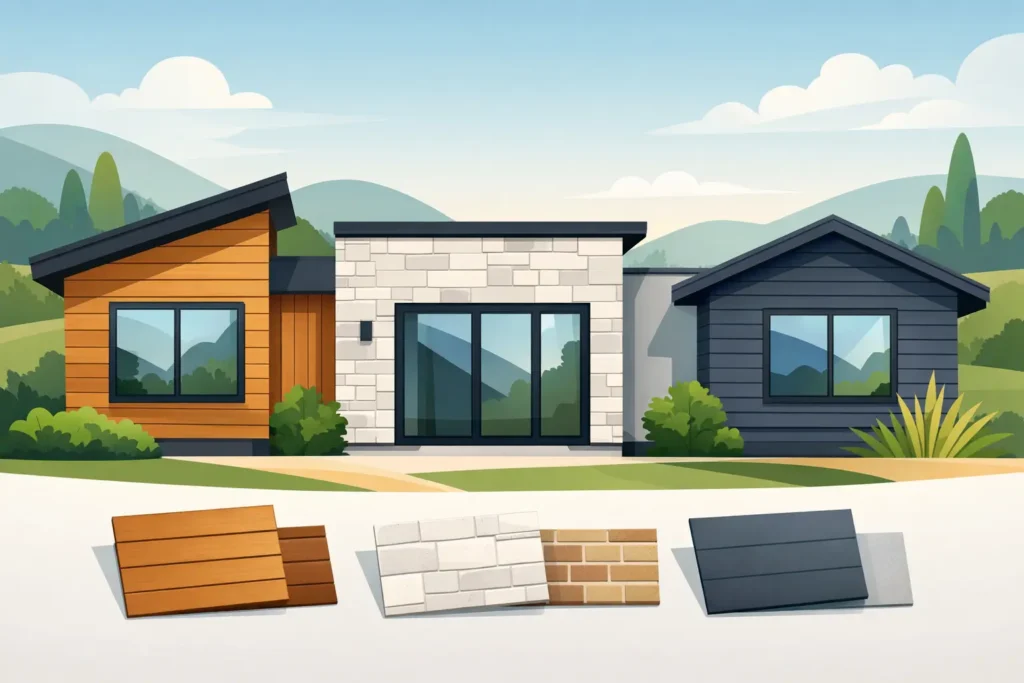
Street appeal matters, but cladding is not just about looks. When homeowners ask about the best cladding options for homes, the real question is usually this: what will hold up in Australian conditions, suit the style of the property, and stay low-maintenance over time?
That answer depends on the structure, the budget, the finish you want, and how much weather exposure the home gets. A house facing hard sun, wind-driven rain, or fluctuating temperatures needs more than a surface that looks good on handover day. It needs a system that performs properly for years, with sound installation and materials suited to local building requirements.
What makes one of the best cladding options for homes?
A good cladding choice should do three jobs well. It should protect the building envelope, improve the appearance of the home, and deliver reliable long-term value. If one of those three is missing, the product may still look attractive, but it is not necessarily the right fit.
Durability is the first test. In Australian conditions, cladding needs to cope with UV exposure, moisture, movement in the substrate, and day-to-night temperature swings. Some materials manage this better than others, especially when paired with the right render or coating system.
The second consideration is maintenance. Some homeowners are happy to repaint or clean surfaces regularly. Others want a finish that stays presentable with minimal upkeep. Neither approach is wrong, but it changes what makes sense for the property.
The third factor is thermal performance. Modern cladding is often chosen not just to refresh a tired façade, but to improve insulation and overall comfort. That can make a noticeable difference in both older homes and renovation projects.
Hebel is one of the strongest all-round performers for residential projects. It is a lightweight autoclaved aerated concrete product that offers a solid, modern appearance while also delivering good insulation and fire-resistant properties.
For many homes, Hebel hits the balance between performance and presentation. It creates a clean rendered finish, suits contemporary design, and works well for extensions, upper-storey additions, and full façade upgrades. Because it is lighter than traditional masonry, it can also be a practical solution where structural loading matters.
Its main strengths are thermal efficiency, acoustic performance, and a quality rendered look. When installed and finished properly, it gives the home a substantial feel without the weight and labour of full brick construction. That said, it is not a shortcut product. Like any cladding system, it relies on correct installation, joint treatment, and finishing to avoid cracking and moisture issues.
For homeowners after a modern exterior with genuine performance benefits, Hebel is often near the top of the list.
Polystyrene cladding
Polystyrene cladding is a popular option where insulation and design flexibility are priorities. It is lightweight, adaptable, and well suited to homes that need a refreshed exterior without adding excessive load to existing walls.
This system is commonly finished with mesh, base coats, and acrylic render, which allows for a wide range of textures and architectural profiles. It can be used to create clean contemporary lines, add depth to flat façades, and improve thermal performance at the same time.
One of the biggest advantages is energy efficiency. For homeowners looking to make the house more comfortable in summer and winter, polystyrene systems can contribute meaningfully when properly specified and installed. It also works well in renovation settings where the original exterior is dated but structurally sound.
The trade-off is that it must be installed professionally. Lightweight systems need the right reinforcement, coatings, and detailing around edges, openings, and penetrations. If corners, seals, or drainage details are handled poorly, the finish can suffer. Done properly, though, it is a smart option for many Melbourne homes.
Fibre cement cladding
Fibre cement remains a common choice for Australian homes because it is versatile, relatively low maintenance, and available in a wide range of profiles. It can suit classic weatherboard-style homes, more modern façades, or mixed-material designs.
From a practical point of view, fibre cement gives homeowners design flexibility without the upkeep associated with natural timber. It resists rot and termites, and it can handle Australian conditions well when installed to specification and kept properly sealed.
It does not have the same solid feel or insulation value as Hebel or insulated cladding systems on its own, so it is often chosen for its appearance and affordability rather than premium thermal performance. That does not make it a poor option. It simply means it suits certain project goals better than others.
For new builds and renovations where budget control matters but a neat, durable external finish is still important, fibre cement is often a sensible middle-ground choice.
Brick veneer and masonry-style finishes
Brick veneer is not always the first thing people think of when discussing cladding, but it remains one of the most proven external wall systems in Australian housing. It offers durability, low ongoing maintenance, and a familiar appearance that suits many suburban homes.
The strength of brick veneer is longevity. It handles weather well, requires little from the owner once completed, and gives a home a solid, established look. For investors and homeowners focused on durability over trend, that can be very appealing.
Its limitations are weight, construction time, and design flexibility. Compared with
lightweight cladding systems, it is less adaptable for façade upgrades on existing homes. It also does not give the same streamlined rendered look unless additional finishing work is included.
Where a project calls for a classic, dependable exterior and the structure can accommodate it, brick veneer still holds its place.
Timber cladding
Timber brings natural warmth that few other materials can match. It works particularly well on architectural homes, coastal-inspired designs, and projects where texture and character are part of the brief.
There is no question timber can look excellent. The issue is whether the owner is prepared for the maintenance that often comes with it. Sun exposure, moisture, and seasonal movement can all affect timber over time, especially if the product selection or coating system is not right for the environment.
In some cases, timber is worth it because the visual result is exactly what the property needs. In others, a homeowner starts with a timber look in mind but ultimately chooses a lower-maintenance alternative that delivers a similar design outcome.
That is where practical advice matters. The best cladding options for homes are not always the most visually striking on day one. They are the ones the owner will still be happy with years later.
Rendered cladding finishes
For many properties, the finish matters as much as the base material. A rendered cladding system can completely change the presentation of a home, turning dated exteriors into clean, modern façades.
Acrylic render is often preferred where flexibility and crack resistance are important. It performs well over suitable substrates and offers a durable, attractive finish in a wide range of textures and colours. Cement render can also be effective in the right setting, particularly where a more traditional masonry-style appearance is needed, but substrate compatibility always needs to be checked carefully.
Rendered finishes are especially useful for renovation work because they can unify mixed materials across an older façade. Instead of seeing patchwork additions, repairs, and different wall surfaces, you get a cleaner and more consistent exterior.
How to choose the right system for your home
The best choice usually comes down to how the property is built and what outcome matters most. If insulation and a modern rendered appearance are priorities, Hebel or polystyrene cladding may be the stronger option. If budget and versatility matter more, fibre cement can make good sense. If the owner wants a natural feature finish and accepts the upkeep, timber may be worth considering.
It is also important to think beyond the panel itself. The fixing method, joint treatment, moisture management, sealants, coatings, and
final render all affect how the system performs. Good materials can still fail if the installation is rushed or the detailing is poor.
For homes in Melbourne, this matters even more because conditions can shift quickly. A façade needs to cope with heat, cold, wind, and wet weather across the year. That is why material choice and workmanship should always be considered together, not as separate decisions.
A well-chosen cladding system does more than freshen up a house. It protects the structure, improves comfort, and gives the property a finish that feels considered rather than cosmetic. If you are weighing up options, focus on what will perform properly on your home, not just what looks good in a brochure.