
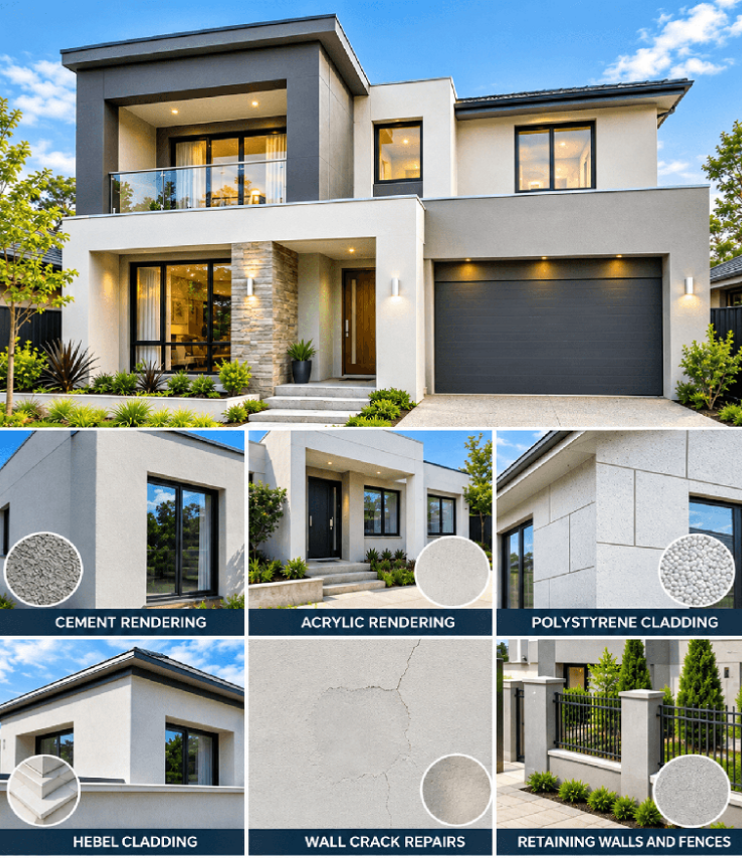
If you're weighing up an exterior upgrade before selling, or simply want your home to look its best, you've probably asked the same question most Melbourne homeowners ask: does the residential rendering Melbourne homeowners invest in actually pay off? The short answer is yes, but only when it's done well and suits the property it's applied to. A rushed or poorly matched job can do the opposite, so it's worth understanding what rendering really adds before you commit.
Rendering isn't just a cosmetic trend. It changes how a home is perceived from the street, how it holds up against weather, and how much upkeep it needs in the years ahead. All of that feeds into value, whether you're planning to sell soon or just want a home that looks cared for.
What Rendering Actually Does to a Home's Value
A rendered exterior smooths out uneven brickwork, hides small imperfections, and gives a home a clean, uniform finish. For buyers walking through an open home or scrolling listing photos, that first impression matters.
Here's what a quality render coat typically adds:
- Stronger Street Appeal: A smooth, even finish makes a home look newer and better maintained the moment someone pulls up outside.
- Fewer Buyer Concerns: A tidy exterior signals fewer hidden problems, which often leads to stronger offers.
- Real Weather Protection: Melbourne's weather swings from hot dry spells to heavy rain and cold snaps, and exterior walls take the brunt of it. Render helps shield brickwork from moisture and temperature stress.
- Lower Long-term Upkeep: Less cracking, flaking paint, and crumbling mortar means fewer repair bills down the track.
Buyers and valuers alike tend to view that kind of protection as added value rather than just a fresh coat of paint.
Why Melbourne House Rendering Stands Out in a Competitive Market
Melbourne's property market rewards presentation. With so many older brick veneer homes across the suburbs, a well-finished render can be the difference between a home that blends in and one that stands out on the street. Melbourne house rendering projects are especially popular on older properties where the brickwork has faded, cracked, or simply looks dated next to newer builds nearby.
It's not only about looking newer either. A rendered home reads as move-in ready, which appeals to buyers who don't want to take on renovation work themselves. That perception alone can shorten the time a property sits on the market.
Choosing the Right Rendering Type for Your Home
Not all render is the same, and the type you choose affects both cost and how long the results last. Getting this decision right from the start saves you from costly repairs or an early redo further down the track.
Cement render
- The most common and budget-friendly option
- Durable and suited to most brick homes
- A solid choice if you want a reliable, no-fuss finish
Acrylic render
- More flexible, so it resists cracking better in areas with shifting temperatures
- Comes in a wider range of colours and textures
- Slightly higher cost, but often longer lasting
Good rendering services for residential houses will assess your walls, your budget, and the style of your home before recommending a system, rather than defaulting to whatever is quickest to apply. The wrong render on the wrong surface can lead to cracking or peeling within a few years, which undermines any value it was meant to add.
When Rendering Is Worth the Investment and When It Isn't
For homeowners comparing quotes, residential rendering Melbourne projects generally sit well below the cost of a full facade renovation while still delivering a comparable visual lift.
Rendering tends to be worth it when:
- Brickwork is uneven, discoloured, or already showing signs of wear
- You're preparing the home for sale and want maximum street appeal for minimal spend
- The existing exterior looks noticeably older than neighbouring homes
It may not be necessary when:
- Your brickwork is in good condition and suits the home's character
- The property has a period style where original brick is part of its charm
- Simple painting or minor repairs would achieve a similar lift
A trustworthy contractor will tell you this honestly rather than pushing a render job you don't need, which is part of what separates the best rendering company Melbourne homeowners actually recommend to friends and family.
What to Ask Before You Commit
Before booking any rendering work, it helps to ask a few direct questions. A reputable contractor should answer these without hesitation, and their responses will tell you a lot about how the job will actually go:
- How long has the company been operating, and can they show completed projects similar to your home?
- What warranty do they offer on workmanship?
- Are the materials suited to Melbourne's climate?
- Does the quote include surface preparation, not just the final coat?
A contractor who answers these clearly, without vague promises, is usually one worth trusting with your home.
Final Thoughts
Rendering is one of the more cost-effective ways to lift a Melbourne home's appearance, protect it from the weather, and make it more appealing to buyers down the track. The key is getting it done properly, with the right system for your walls and a team that stands behind their work. When approached this way, the residential rendering Melbourne homeowners choose consistently proves to be a smart investment rather than just a fresh coat on old brick.
If you're weighing up your options, the team at Australian Rendering Company can walk you through what's right for your property, your budget, and the finish you're after, with honest advice from the first conversation.
Frequently Asked Questions
1. Does rendering increase home value in Melbourne?
Yes, in most cases. A properly rendered house looks good from the street and shows that a home is cared for, thus leading to increased interest in buying.
2. How long does residential rendering take to complete?
The time required to complete house rendering varies from a couple of days to about one week, depending on the size of the property and the type of render required.
3. What's the difference between cement and acrylic render?
Cement render is durable and cost-effective, while acrylic render is more flexible, resists cracking, and offers a wider choice of colours and textures for a longer-lasting finish.
4. How much does rendering a house in Melbourne cost?
Costs depend on the size of walls, the type of render, and wall condition. Every property is unique; therefore, the best method to determine your costs is a site visit along with a customized quote.
5. Do rendered walls need much maintenance afterwards?
Not much. Cleaning the exterior with gentle soap and water from time to time, as well as checking for any cracks from time to time, will be all that it takes.
Ready to Upgrade Your Home's Exterior?
Whether your brickwork needs a refresh or you're preparing to sell, a properly finished render can lift your home's appearance and value without a full renovation. Reach out today for a free, honest quote.