
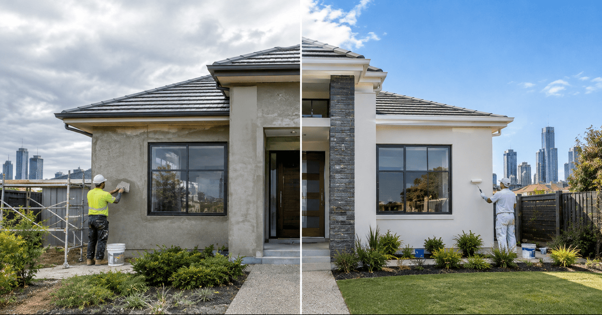
Melbourne is famous for having four seasons in one day, and that unpredictable mix of heat, rain, and wind puts real pressure on your home's exterior. From scorching summer afternoons to sudden cold snaps and heavy winter downpours, rendered walls across the city are constantly tested by shifting conditions. Choosing a finish that can genuinely handle this variability protects the structure underneath for the long haul.
If you're weighing up cement rendering services against acrylic render for your next project, the material you choose will affect how well your walls handle the local climate for years to come. Both options have a strong track record on Melbourne homes, but they behave quite differently once the weather starts moving.
What Is Cement Rendering?
Cement render is a traditional mix of cement, sand, water, and sometimes lime, applied directly onto brick, concrete block, or other masonry surfaces. It has been the go-to option for Australian homes for generations, and for good reason. Once cured, it forms a hard, solid layer that bonds firmly to the substrate and gives walls a classic, smooth finish.
Homeowners across Melbourne turn to cement rendering services because of the material's strength and affordability. It handles the city's heat well, holds its shape over time, and can be painted in almost any colour once fully cured. Older homes across Melbourne's inner and outer suburbs often carry this finish, which speaks to how long a well-applied cement render can last when it's maintained properly.
What Is Acrylic Rendering?
Acrylic Rendering uses a polymer-based, plastic-infused mix instead of a purely cement-based one. This gives it a level of flexibility that traditional render simply doesn't have. As the mix contains acrylic resins, the finished surface can move slightly with the building instead of staying completely rigid.
That flexibility matters in a climate like Melbourne's, where temperatures can swing sharply within a single day. Acrylic render is pre coloured, resists water penetration well, and comes in a wide range of textures and tones, giving homeowners more design freedom without needing to repaint as often.
How Melbourne's Weather Affects Your Render Choice:
Melbourne's climate is a genuine test for any exterior finish. Hot, dry summers followed by damp winters, sudden temperature drops, and strong coastal winds all put stress on rendered walls. Here's how that plays out for each material.
Temperature Swings and Cracking: The weather in Melbourne can change from 35 degrees during the day to a cold night in a matter of hours. Cement render is hard, which means that after several expansions and contractions, the render will crack if it is not installed by a professional team.
Rain and Moisture: The rainy season for Melbourne brings continuous rain, and moisture will be one of the most important hazards for any rendered surface. Rendered surfaces using cement are porous, and thus require good sealers or paints to keep them weather-resistant. Rendered surfaces using acrylic are already water-resistant.
UV Exposure and Colour Fade: Summer days are long and sunny, resulting in high levels of UV rays striking the north and western walls. Painted concrete render may eventually fade away or become chalking, needing a fresh coat of paint. Since acrylic render gains its colouring from the materials used to create it, its colours usually last longer.
Wind-Driven Debris and Coastal Air: Buildings close to Port Phillip Bay have to contend with saline winds and airborne debris. The two kinds of finishes are both effective in such areas provided they are used properly, but the former's waterproof finish helps prevent efflorescence.
Cement Render vs Acrylic Render: Key Differences
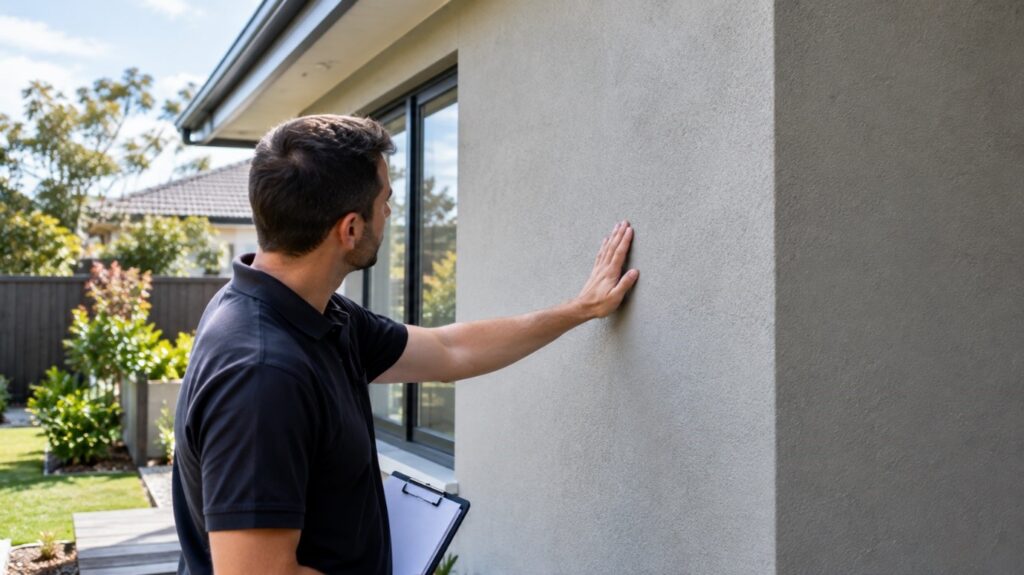
Before deciding which finish suits your property, it helps to see how the two materials stack up side by side across the factors that matter most in Melbourne's changeable climate.
| Feature | Cement Render | Acrylic Render |
| Flexibility | Rigid, firm finish | Flexes with the building |
| Crack resistance | Can develop hairline cracks over time | Generally resists cracking in fluctuating temperatures |
| Water resistance | Porous, needs a quality sealer or paint | Naturally water-resistant barrier |
| Upfront cost | More budget-friendly | Higher initial investment |
| Colour and finish options | Painted after curing, standard finishes | Pre coloured, wide range of textures and tones |
| Maintenance | Needs repainting over time | Holds colour longer, less frequent upkeep |
| Longevity | Decades, with proper care | Decades, with reduced maintenance |
Which Render Suits Your Melbourne Property?
There isn't a single right answer for every home. Your best fit depends on budget, upkeep preferences, and how exposed your walls are to Melbourne's changing conditions throughout the year.
- Cement rendering services suit homeowners who want a cost-effective, time-tested finish and are comfortable with a repaint down the track, particularly for renovations and heritage-style properties.
- Acrylic render suits homeowners prioritising flexibility, colour retention, and reduced maintenance across Melbourne's changeable seasons.
- Many homeowners combine approaches, using concrete rendering services for structural or internal areas where moisture exposure is lower, while reserving acrylic finishes for exposed exterior walls.
The right combination ultimately comes down to your property's age, orientation, and substrate, along with the amount of ongoing maintenance you're prepared to take on.
Why Professional Application Matters
Whatever material that you use, the quality of the finish depends on the person who does the work. In Melbourne, it is due to bad surface preparation or mixing in the wrong ratio that causes renders to fail, and not the materials themselves. It is important to have an experienced team to prepare your walls, fill cracks, and prime or seal your wall surfaces before rendering.
This is where experienced Melbourne exterior rendering specialists make the difference. Correct preparation, quality materials, and proper curing time all work together to protect your investment against everything the local seasons throw at it.
Final Thoughts
Both cement and acrylic render can deliver a beautiful, durable finish when they're matched to the right property and installed correctly. Cement remains a reliable, affordable classic, while acrylic offers added flexibility and colour longevity for homes exposed to Melbourne's shifting weather patterns.
Whichever direction suits your project, choosing experienced professional rendering services makes all the difference to how your walls perform over the years ahead. A trusted local specialist can help you weigh up your options and select the finish that will genuinely stand up to Melbourne's conditions.
Frequently Asked Questions
1. Is acrylic render better than cement render in Melbourne?
It depends on individual cases; neither type of render can be considered the best for all situations. Acrylic render has advantages in flexibility and waterproofing, but cement render is cheaper.
2. Does cement render crack easily in Melbourne's weather?
Hairline cracks may appear in cement render because of temperature changes, but proper preparation and installation by an expert team will minimize such risk.
3. How long does acrylic render last on a house?
When properly applied and maintained, acrylic render can last up to 15 to 20 years, which is usually longer than painted cement render.
4. Can I paint over cement render once it's applied?
Yes, cement rendering must cure completely before painting. In addition, a good paint system will also provide additional protection against the elements.
5. Which render option costs less upfront?
Cement rendering will often prove to be the more affordable choice at first, whereas acrylic rendering will involve higher expenses initially but less maintenance later on.
Get Expert Advice For Your Property
Every home responds differently to Melbourne's weather, so the best way to choose the right render is to talk it through with a specialist. Reach out to Australian Rendering Company, Melbourne-owned and operated with over 30 years of experience, for a free consultation and a finish tailored to your property.