
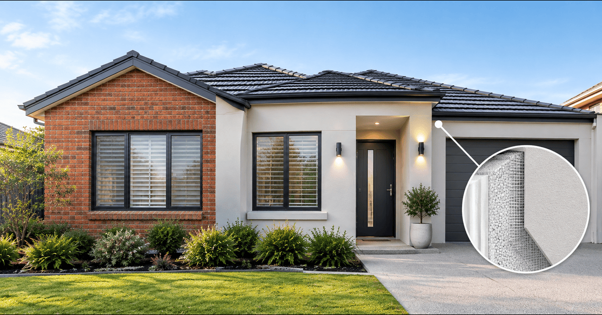
If your home's exterior is looking tired but a full masonry rebuild isn't in the budget, polystyrene rendering is worth a look. Homeowners searching for polystyrene install and rendering services are usually after the same thing: a lighter, faster, and more affordable way to transform a facade without the cost or disruption of traditional solid rendering.
It's not just a cheaper alternative either. Polystyrene rendering brings a few genuine advantages of its own, particularly around insulation and application speed, that make it worth considering even outside of a tight budget.
Polystyrene Render vs Traditional Solid Render
The table below compares the two systems across the factors that matter most when choosing between them.
| Factor | Polystyrene Rendering | Traditional Solid Render |
| Weight | Very light, panel-based | Heavy, applied directly to masonry |
| Insulation value | High, built-in thermal benefit | Minimal on its own |
| Application speed | Faster, panels fixed, then finished | Slower, multiple coats needed |
| Cost | Generally lower | Generally higher |
| Best suited to | Renovations, extensions, cladding-style upgrades | New builds, brick and block walls |
| Impact resistance | Good, but can dent under heavy impact | Very high, hard-wearing |
Neither system is universally better. The right choice comes down to the wall you're starting with, the budget, and what you want the finish to achieve.
Why Polystyrene Rendering Suits Budget-Conscious Renovations
Lower Material and Labour Costs
Because polystyrene panels are lightweight and quick to install, jobs typically take less labour time than a full traditional render, which brings the overall cost down without cutting corners on the finished look.
Built-In Insulation
Polystyrene has natural thermal properties, so alongside the cosmetic upgrade, homeowners often notice a small improvement in how well the home holds heat, particularly useful in older, poorly insulated homes.
A Practical Fit for Renovations
Polystyrene systems work particularly well over existing surfaces that aren't structurally sound enough or worth the cost of stripping back for a full solid render. This is why renovations rendering services so often lean on polystyrene systems for extensions, additions, or facade refreshes rather than starting from scratch.
What the Installation Process Actually Involves
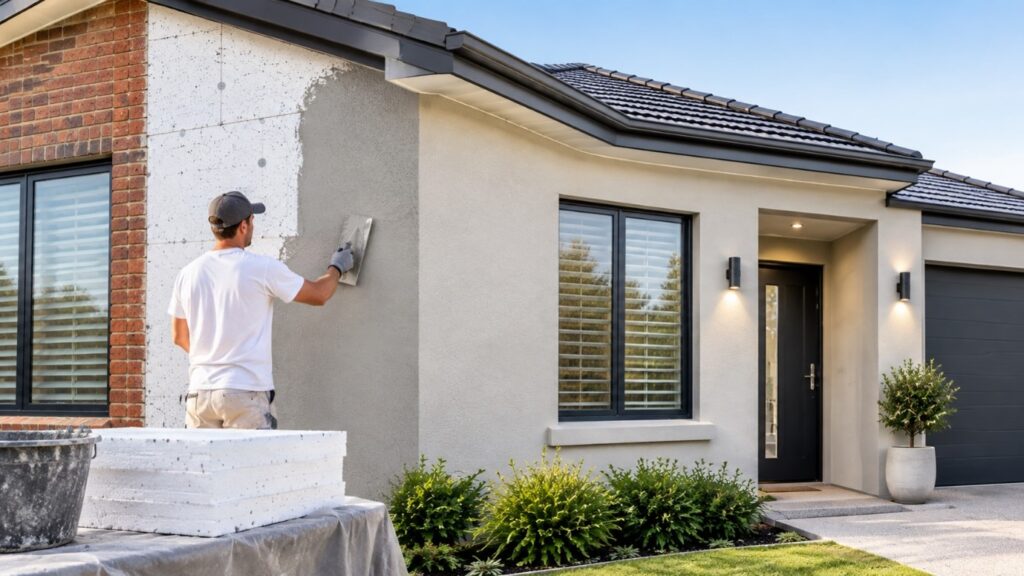
A polystyrene render job typically starts with fixing rigid foam panels to the existing wall surface, followed by a reinforced base coat and a finishing render layer. Corners, window returns, and joints need careful detailing, since poor panel fixing or skipped reinforcement is where most problems later show up, such as cracking along panel edges or soft spots under impact.
Is Polystyrene Rendering Right for Your Home?
Polystyrene rendering tends to suit homes where the existing wall doesn't need structural repair, where insulation is a priority, or where the budget calls for a lighter-touch upgrade. It's less suited to areas with heavy foot traffic or impact risk, like low garden walls, where a harder traditional render may hold up better long term.
Choosing the Right Team for the Job
Not all installers apply polystyrene systems to the same standard, and poor panel fixing or rushed detailing is one of the most common causes of early failure. Working with experienced rendering contractors Melbourne homeowners already trust is worth the extra research, since the quality of the fixing and finishing work matters just as much as the material itself.
Final Thoughts
Polystyrene rendering offers a genuinely practical middle ground between cost, speed, and performance, especially for renovations where a full solid render isn't necessary or affordable. It brings real insulation benefits alongside a faster, lighter installation, without asking homeowners to compromise heavily on durability or finish.
That said, it isn't the right choice for every wall, particularly areas exposed to heavy impact, where a traditional solid render usually holds up better over time. The real deciding factor comes down to the condition of the existing wall, the available budget, and how the space will be used. Getting the installation right the first time, from proper panel fixing to careful detailing, is what determines whether it holds up for years or needs early attention.
Frequently Asked Questions
1. Is polystyrene rendering as durable as traditional render?
It holds up well under normal conditions but is more prone to denting under heavy impact than solid render, so it's best suited to areas without high foot traffic or impact risk.
2. Does polystyrene rendering actually improve insulation?
Yes. The foam panels have natural thermal properties, so homes often see a noticeable improvement in heat retention compared to an uninsulated solid render.
3. How long does polystyrene rendering take to install?
It's generally faster than traditional rendering, since panels are fixed in place before the finishing coats are applied, cutting down on drying time between stages.
4. Can polystyrene rendering be applied over any existing wall?
Most stable surfaces are suitable, but a professional assessment is recommended first to check that the wall doesn't need structural repair before panels go on.
5. Is polystyrene rendering cheaper than traditional rendering?
Generally, yes, due to lower material weight and faster installation, though exact pricing depends on the size and condition of the area being rendered.
Considering Polystyrene Rendering for Your Home?
Our team, recognised among Melbourne rendering experts, can assess your walls and confirm whether a polystyrene system suits your renovation. A short site visit is usually all it takes to get a clear answer.